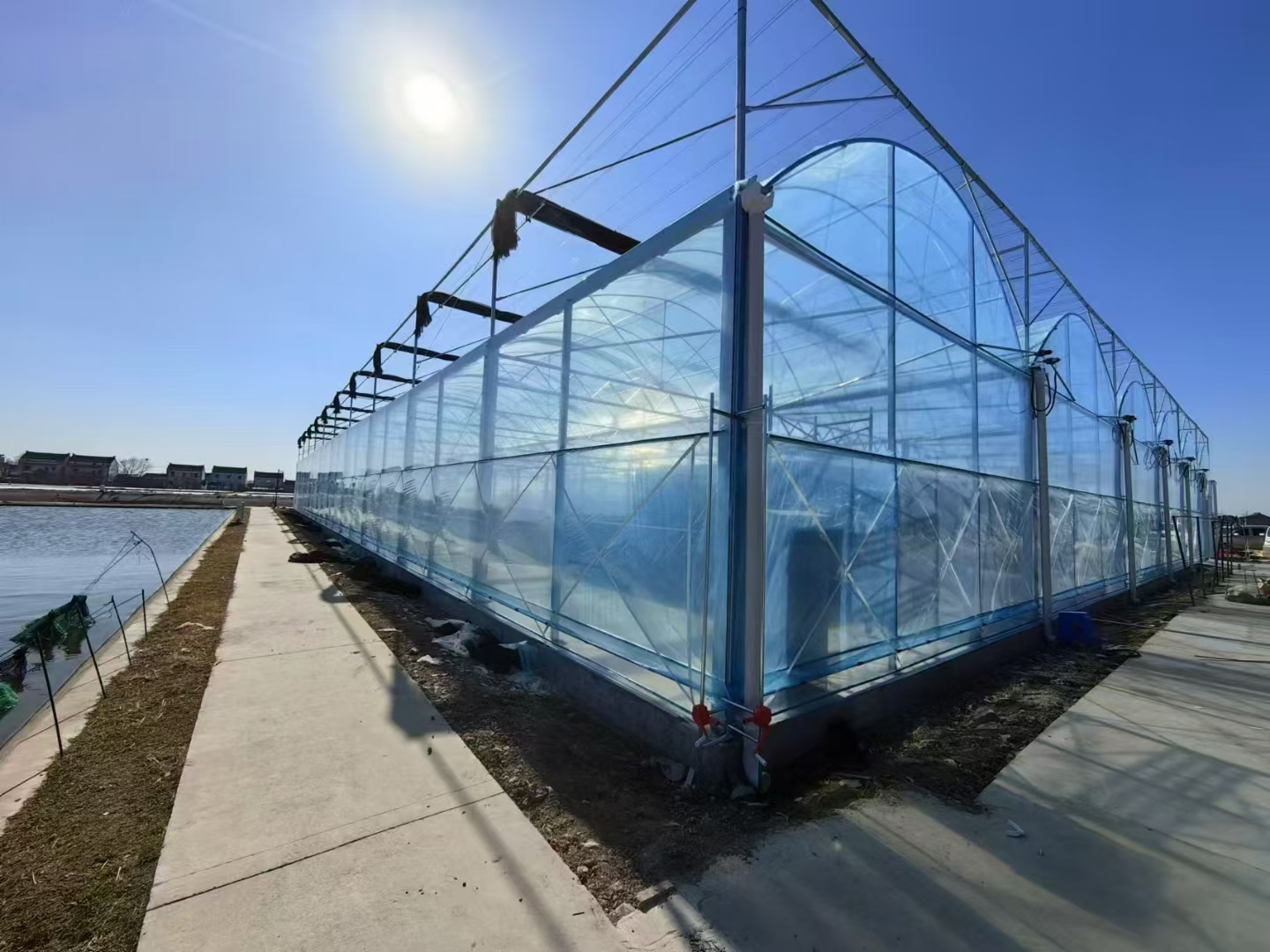
Natural ventilation should be designed before equipment is added
Side openings, roof vents, bay spacing, greenhouse height, and crop aisle layout determine whether hot air can leave the structure efficiently. In hot humid regions, a weak natural-ventilation layout usually stays weak even after fans are added. Buyers comparing a single-span tunnel greenhouse with a wider multi-span film greenhouse should ask how the vent area changes with the structure width.
Insect netting reduces airflow and must be priced correctly
Insect netting is important for vegetables, seedlings, and nursery plants, but it creates resistance to airflow. If insect protection is required, the greenhouse may need larger vent openings, taller side walls, circulation fans, or exhaust support. This is one reason buyers should compare ventilation scope, not only frame price, when requesting a quote.
Shade, rain exposure, and crop density all change the ventilation plan
Shade cloth reduces solar load and can make natural ventilation more effective, while dense crops and long rainy seasons can trap moisture lower in the canopy. Warm-region buyers planning tropical or monsoon-season production can also compare the tropical greenhouse design for Southeast Asia guide to decide whether shade, rain protection, and airflow should be discussed together.
Fans and pad cooling should be added only when the structure needs them
Some commercial greenhouse systems need exhaust fans, circulation fans, or wet pad cooling, especially when the bays are wide, insect netting is heavy, or local wind is weak. Other farms can control heat acceptably with large side openings, roof vents, and shade. If you are balancing equipment budget against structure scope, compare the ventilation choices with the commercial greenhouse cost guide before approving the final package.
Match the ventilation package to the greenhouse type
A single-span tunnel greenhouse may use roll-up sides and simple end doors. A multi-span film greenhouse can use roof vents, gutters, fans, and shade. A Venlo glass greenhouse can integrate roof ventilation with more complete climate equipment. Buyers who also need supplier-screening guidance can compare the East Asia greenhouse supplier guide or the greenhouse manufacturer in China for U.S. farms guide before finalizing scope.
Quote checklist for warm-climate greenhouse projects
- Local high temperature, humidity, wind, and rainy-season pattern.
- Crop height, planting density, disease pressure, and worker aisle layout.
- Covering material: film, PC panel, glass, shade, or insect net.
- Vent preference: side roll-up, roof vents, fans, or a combined system.
- Whether the project needs manual or motorized operation.
- Destination port plus any installation or packing-list requirement.
What Caoyuhe can help clarify before you order
Caoyuhe can help buyers compare vent area, side-wall height, shade scope, insect-net impact, fan requirements, and which items should be separated clearly on the packing list. That makes it easier to compare one greenhouse quote against another without missing key ventilation parts.
Send your country, crop, target size, climate concerns, and whether insect netting is required. Caoyuhe can prepare a practical warm-region greenhouse recommendation with clearer ventilation scope and quote details.